
Seasonal AC Maintenance Checklist for Homeowners
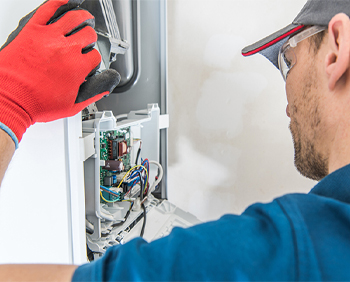
In Tampa’s hot and humid climate, your air conditioning system works almost year-round. Without proper seasonal maintenance, even a well-built AC unit can lose efficiency, struggle to cool your home, or break down when you need it most. Following a simple maintenance checklist can help homeowners stay comfortable while avoiding costly repairs.
Common AC Compressor Problems: Warning Signs and What to Do About Them
Get Started (813) 441-9767 Introduction Your air conditioner depends on a hardworking compressor to keep your home comfortable during hot weather. When this vital part starts to fail, you’ll often notice warm air, strange noises, or rising energy bills. Understanding the most common AC compressor problems—and how to spot them early—can help you avoid major breakdowns, costly repairs, and unexpected discomfort. In this guide, you’ll learn what causes compressor issues, the warning signs to watch for, and the smartest steps to protect your cooling system. Understanding the Role of the AC Compressor The compressor is often called the heart of your air conditioner because it circulates refrigerant through the system. It plays a critical role by: Compressing low-pressure refrigerant gas into high-pressure, high-temperature gas. Moving refrigerant between the indoor and outdoor coils to absorb and release heat. Enabling your AC to produce cool air efficiently. When the compressor begins to fail, your entire cooling system becomes unreliable, inefficient, or stops working altogether. Most Common Causes of AC Compressor Failure Although compressors are engineered to be durable, they can break down over time for several reasons: Dirty Coils When the outdoor condenser coils become covered in dirt, dust, or grass clippings, they can’t release heat efficiently. This forces the compressor to work harder, eventually leading to overheating or failure. Incorrect Refrigerant Charge Too much or too little refrigerant affects pressure in the system. Low refrigerant can cause overheating and internal damage, while overcharging can flood the compressor. Electrical Issues Power surges, faulty wiring, and failing capacitors disrupt the electrical supply to the compressor motor. This can burn out internal parts. Blocked or Damaged Suction Lines When refrigerant lines become clogged or damaged, the compressor is forced to overcompensate, which creates additional wear. Lack of Lubrication Without adequate lubrication, internal parts experience friction and heat buildup. Wear and Tear Over Time All compressors eventually lose performance due to prolonged operation, especially if maintenance is neglected. Early Warning Signs of Compressor Trouble Recognizing symptoms early can help you address issues before they lead to a total system failure. Look for these common warning signs: Warm Air From Vents If your AC runs but only circulates warm air, the compressor may not be moving refrigerant effectively. Unusual Noises Banging, rattling, grinding, or buzzing from the outdoor unit can mean internal components are wearing out. Tripped Breakers Compressors that overheat or draw too much current often trip the circuit breaker. Reduced Airflow Diminished airflow combined with uneven temperatures in your home can signal compressor decline. Shaking or Vibrations Excessive shaking indicates serious internal mechanical or electrical issues. Higher Electric Bills A compressor that has to work harder consumes more electricity, driving up your monthly energy costs. What to Do if You Notice Compressor Problems If you suspect the compressor is failing, take these steps right away: Switch Off the AC Prevent additional damage by shutting off the system at the thermostat and breaker panel. Check Your Air Filter A dirty filter can sometimes restrict airflow and cause overheating, mimicking compressor issues. Verify Thermostat Settings Ensure your thermostat is set correctly to “cool.” Inspect the Outdoor Unit Look for visible ice buildup, debris, or damage around the condenser. Contact an AC Professional Diagnosing compressor failure requires tools and training. A qualified technician can safely evaluate the issue and recommend a solution. To learn more about repairs, visit our AC Compressor Repair page. Typical Repairs for Compressor Issues Depending on the cause of the problem, technicians may recommend different repairs: Capacitor or Contactor Replacement: These components supply electrical power to start and run the compressor motor. Refrigerant Adjustments: Technicians can fix leaks and recharge refrigerant to the proper level. Cleaning the Coils: Removing dirt allows heat to dissipate, reducing compressor strain. Repairing or Replacing Wires: Damaged electrical connections must be corrected to prevent failure. Clearing Blocked Lines: Clogs are removed to restore refrigerant flow. In severe cases—like a burnt-out motor—a full compressor replacement might be necessary. Deciding Between Compressor Repair and Replacement It isn’t always obvious whether repairing or replacing is the smarter choice. Here are a few considerations: Age of Your Unit If your air conditioner is approaching the end of its expected lifespan, replacing the system may be more cost-effective. Repair Cost vs. Replacement When repair costs are nearly as much as a new compressor or complete system, investing in new equipment is often better. Efficiency Newer models can offer significant energy savings that help offset the installation cost over time. Explore options for AC Replacement if you’re thinking about upgrading. How Regular Maintenance Can Help You Avoid Compressor Failure Routine care is the single most effective way to prevent compressor problems. Proper maintenance keeps your system running smoothly and efficiently. Improves Efficiency Clean coils and filters reduce strain on the compressor by allowing better airflow and heat transfer. Identifies Issues Early Technicians can spot refrigerant leaks, worn electrical components, or dirty parts before they escalate into costly repairs. Extends Compressor Lifespan When your AC is properly maintained, the compressor lasts longer, saving you money on replacements. For more details about routine upkeep, see our Air Conditioner Maintenance services. Tips to Keep Your Compressor Healthy Preventive habits help you get the most from your AC system: Keep the Outdoor Unit Clear Remove leaves, grass, and debris from around the condenser. Maintain at least two feet of clearance. Change Filters Consistently Replace or clean air filters every one to three months to promote healthy airflow. Use the Thermostat Wisely Avoid setting the thermostat to the lowest possible temperature on hot days. Moderate settings reduce strain on the compressor. Schedule Professional Maintenance Annual or seasonal maintenance visits can prevent small problems from turning into major failures. Check Refrigerant Levels If your system isn’t cooling well, have refrigerant levels inspected by a professional. For help with cleaning and preventive care, explore our AC Cleaning Service. When a New Air Conditioner is the Best Choice In some cases, replacing the compressor alone doesn’t make sense. Consider a new
Is It Time to Replace Your Air Conditioner? Top Signs You Need a New AC Unit
Get Started (813) 441-9767 Introduction When your air conditioner starts acting up, you might wonder: can it be fixed, or is it time to invest in a new unit? Recognizing the warning signs early can save you money, prevent discomfort, and help you plan for an upgrade before your system completely fails. This guide covers the most common indicators that your AC is ready for replacement, plus what to expect from the process and how to get professional support. Understanding the Importance of a Functional AC System A properly working air conditioner does much more than cool your home. It also improves air quality, controls humidity, and helps protect your household from excess heat and moisture damage. When your AC unit ages or wears down, you’ll likely notice higher energy bills, inconsistent cooling, and frequent repairs. At that point, investing in a new system can be more cost-effective than continuing to patch up an old one. Rising Energy Costs Without an Obvious Cause One of the earliest signs you may need a new air conditioner is an unexplained increase in your energy bills. If you haven’t changed your thermostat settings, and the weather hasn’t dramatically shifted, the AC itself may be the problem. Older units lose efficiency over time. The motor, coils, and other parts must work harder to produce the same cooling, driving up your monthly expenses. Even thorough maintenance can’t fully restore an outdated system to its original efficiency. If you’ve noticed climbing bills, consider scheduling professional AC maintenance to rule out simple issues like clogged filters or low refrigerant. But if performance still lags, replacement could be the best solution. Frequent Repairs and Breakdowns Occasional repairs are normal, but constant breakdowns signal that your air conditioner is reaching the end of its life. If you’ve called for service multiple times in a single cooling season, you’re likely spending more on temporary fixes than you would on a replacement. Problems like compressor failures, refrigerant leaks, and motor malfunctions tend to repeat as components age. Instead of sinking more money into an unreliable unit, look into AC replacement options that will deliver dependable cooling and peace of mind. Uneven Cooling Throughout Your Home If some rooms feel like an icebox while others stay stuffy and warm, your AC may not be distributing air correctly. Inconsistent cooling can stem from failing compressors, poor airflow, or outdated equipment that no longer meets your home’s demands. Before assuming your ductwork is the culprit, have a technician evaluate your system. Sometimes, poor performance results from a unit that’s simply too old or too small to keep up. If that’s the case, a new air conditioning installation can help maintain even temperatures and reduce hot spots. Your AC Is Over 10 Years Old While some air conditioners can function longer, many start to show significant wear after about a decade of service. Efficiency ratings improve each year, and newer units are designed to consume less energy, cool more effectively, and operate with quieter performance. An aging air conditioner often struggles to keep up with demand, leading to increased runtime, higher bills, and more frequent repairs. If your unit is over 10 years old and experiencing problems, replacing it with a modern system may be a smarter long-term choice. Excessive Noise During Operation Unusual noises such as grinding, squealing, or rattling often indicate internal damage or wear. While some sounds are repairable (like a loose fan blade), others point to failing components that could require extensive work. If your air conditioner consistently sounds louder than it used to, or if it makes alarming noises when starting or stopping, have it inspected. In many cases, these issues hint that it’s time to begin planning for a replacement. Poor Indoor Air Quality Your air conditioner plays a crucial role in filtering dust, allergens, and pollutants from your indoor air. As it ages, filters and coils can become less effective, especially if maintenance has been inconsistent. Signs of deteriorating air quality include: More dust buildup around vents Unpleasant odors Increased allergy symptoms Mold or mildew in the AC cabinet A thorough AC cleaning service may help temporarily, but persistent air quality issues often mean your system is no longer functioning as it should. A new unit can help improve airflow and filtration, creating a healthier environment. Humidity Problems Inside the Home Beyond cooling, your AC regulates indoor humidity levels. If you notice the air feels damp or sticky, your system might be struggling to remove moisture. Excess humidity can lead to: Mold and mildew growth Warped wood flooring or furniture Musty odors Increased discomfort during warm weather When humidity remains high despite adjustments or maintenance, upgrading your AC can restore balanced moisture control. Refrigerant Leaks Older air conditioners often rely on refrigerants like R-22, which are being phased out due to environmental regulations. If your system develops a refrigerant leak, recharging it can be expensive or impractical. Signs of refrigerant leaks include: Reduced cooling performance Hissing sounds Ice buildup on the evaporator coil Higher energy bills When leaks occur, replacing the unit with an updated model that uses modern refrigerants is often more efficient and environmentally responsible. Explore AC compressor repair if you suspect a leak, but be prepared to discuss replacement if repairs prove costly. Visible Signs of Wear and Corrosion Over time, your air conditioner may develop rust, corrosion, or cracks in the cabinet. While some cosmetic damage isn’t critical, structural deterioration can lead to refrigerant loss, airflow restrictions, or complete breakdowns. If your system shows visible aging, leaks water excessively, or struggles to start, consider having it evaluated for replacement. Your AC Uses Outdated Technology Today’s air conditioners feature advanced controls, variable-speed compressors, and energy-saving components that older systems lack. If your current unit only operates at a single speed or relies on old-fashioned thermostats, you could be missing out on modern comfort and efficiency. Replacing an outdated AC lets you take advantage of: Quieter operation Improved air filtration Smart thermostat integration Lower energy
How a New Air Conditioner Can Lower Your Energy Bills and Boost Comfort
Get Started (813) 441-9767 Introduction Energy costs continue to climb, and homeowners are constantly searching for ways to keep utility bills under control while enjoying a comfortable indoor environment. If your current cooling unit is older, less efficient, or struggling to keep up with demand, upgrading to a new air conditioner can be one of the smartest investments you make. A modern AC does far more than simply blow cold air. It plays a critical role in how your home uses energy, manages humidity, and maintains steady temperatures. In this guide, you’ll discover how replacing your outdated system can lower your monthly expenses and improve daily comfort. You’ll also learn practical considerations to help you choose, install, and maintain your new equipment. How Older Air Conditioners Increase Energy Consumption Many homes still rely on units that are well past their prime. Over time, components wear down, efficiency drops, and performance suffers. Here are a few reasons an older air conditioner can drain your wallet: Degraded coils and compressors: As the coils and compressors lose their ability to transfer heat effectively, the system must work harder to keep your home cool. Outdated technology: Older models lack the variable-speed motors, smart thermostats, and advanced refrigerants found in newer systems. Refrigerant leaks: Refrigerant levels often decline over years of use, forcing the AC to run longer cycles. Poor airflow and insulation compatibility: Many older air conditioners can’t adapt to modern insulation and ducting standards. If you notice your air conditioner running constantly, struggling to reach your set temperature, or creating hot and cold spots, these are strong signs it may be time to consider a replacement. Advantages of Installing a New Air Conditioner Modern AC systems offer a range of improvements designed to maximize energy efficiency and comfort. Here are some of the most significant benefits: Higher SEER Ratings: Seasonal Energy Efficiency Ratio (SEER) measures how efficiently an air conditioner cools over a season. Older units often have ratings between 8 and 10 SEER, while many modern systems offer ratings above 16 or even 20. Higher SEER translates directly into less energy consumption. Variable-Speed Compressors: Instead of operating at a single speed, newer compressors adjust output based on demand, reducing energy usage when conditions allow. Advanced Filtration: Many new ACs improve indoor air quality by filtering allergens and particles more effectively. Improved Dehumidification: Consistent moisture control helps reduce mold growth and makes the air feel cooler at higher temperatures, which means you can set your thermostat a few degrees higher without sacrificing comfort. Quieter Operation: Newer units are often significantly quieter than older ones, enhancing peace in your living spaces. Enhanced Compatibility with Smart Thermostats: Programmable thermostats and zoning options can further optimize cooling schedules and lower costs. These benefits together contribute to noticeable energy savings and a more pleasant home environment. How Energy Efficiency Directly Impacts Your Monthly Bills Cooling can represent a substantial portion of household electricity consumption, especially during long Florida summers. The more efficient your air conditioner, the less electricity it requires to maintain your target temperature. For example, replacing a 10 SEER unit with an 18 SEER system could reduce cooling costs by up to 45%. While the exact savings vary by usage and home size, many homeowners see a significant drop in monthly statements within the first season. Improved energy efficiency also reduces strain on your electrical infrastructure and helps minimize wear and tear on the rest of your HVAC components. The Comfort Factor: Why a New AC Feels Different While lower bills are a major motivator, comfort is often what homeowners notice most after upgrading. A properly sized and professionally installed air conditioner maintains a steady, balanced temperature throughout your home, eliminating common frustrations such as: Hot rooms on the upper floor Cold spots near vents Sticky humidity in living areas Short cycling (frequent on-and-off operation) A new AC system also integrates better with ductwork and thermostat controls, so the air feels cleaner and more consistent. For more details about how proper installation makes all the difference, visit Air Conditioning Installation. Common Signs It’s Time to Replace Your Air Conditioner If you’re unsure whether your unit is due for replacement, watch for these red flags: Frequent repairs or breakdowns Utility bills rising without explanation Uneven cooling or excessive humidity Noisy operation Refrigerant leaks The system is more than 10–15 years old Even if the unit still runs, an outdated system can quietly waste hundreds of dollars each year. If you recognize any of these issues, consider exploring options for a more efficient replacement through AC Replacement. What to Expect During Installation Choosing to install a new air conditioner isn’t a small decision, but it doesn’t have to be stressful. Here’s a general outline of what the process involves: Consultation and Sizing: A qualified technician will assess your home’s square footage, insulation, and ductwork to recommend the right capacity. Removal of the Existing Unit: Your old equipment is carefully disconnected and removed. New Installation: The new system is placed, wired, connected to ductwork, and charged with refrigerant. Startup and Testing: The team will run the system, verify performance, and calibrate the thermostat. Instruction and Support: You’ll receive guidance on using your new air conditioner and tips for efficient operation. For help getting started or to ask questions, reach out through the Contact Us page. Optimizing Energy Efficiency After Installation Once your new air conditioner is in place, a few simple steps can help you keep your cooling costs as low as possible: Schedule Seasonal Maintenance: Annual inspections catch potential problems early and keep performance at peak levels. Learn more about ongoing care on the Air Conditioner Maintenance page. Change Filters Regularly: Dirty filters restrict airflow and force your system to work harder. Seal and Insulate: Proper insulation and duct sealing prevent cooled air from escaping. Set the Thermostat Wisely: Adjusting the thermostat up a few degrees when you’re not home can create meaningful savings. Keep Vents Clear: Ensure that furniture and drapes don’t block supply and
When Should You Get Your AC Cleaned? Best Times and Tips for Year-Round Comfort
Get Started (813) 441-9767 Introduction Clean air conditioning is more than a comfort perk—it directly affects your indoor air quality, system performance, and energy use. While many homeowners delay cleaning their AC units until problems arise, waiting too long can lead to clogged filters, foul odors, poor airflow, and high electric bills. So, when is the right time to clean your AC? This guide covers the best seasons to schedule AC cleaning, practical tips to maintain year-round comfort, and how regular upkeep connects with repairs, replacements, and long-term home performance. Why AC Cleaning Shouldn’t Be Skipped Your air conditioner pulls in air from your home, circulates it through coils and filters, and pushes it back to cool. Over time, dust, pollen, pet dander, mold spores, and debris build up in the filters, coils, drain pans, and ducts. Dirty components can cause several issues: Reduced airflow from clogged filters Strained compressor performance Higher humidity indoors Longer cooling cycles Increased electric bills Musty or sour odors Keeping your AC clean helps it run efficiently without overworking. Over time, this also reduces wear on key components such as the compressor. For deeper insights into the role of the compressor, visit our AC compressor repair page. The Best Times of Year to Clean Your AC Different seasons bring different needs. Here’s how the calendar plays a role in optimal AC performance. Early Spring: Prepare Before the Heat Hits Cleaning your AC between March and April in Tampa gets your cooling system ready before it’s heavily used. It allows technicians to clean and inspect components before peak temperatures arrive. Ideal services to schedule in spring include: Coil and drain pan cleaning Air filter replacement Blower inspection Duct inspection if needed Late Summer: Refresh After Heavy Use After a long season of running nearly every day, your AC collects moisture and debris that can lead to mold growth or clogging. Focus areas for cleaning in late summer: Condensate lines Outdoor condenser fins Return vents Inside drain trays After a Dusty Home Project or Renovation If your home recently underwent construction or remodeling: Dust from drywall, sawing, or flooring can clog your AC filter fast Cleaning the unit afterward prevents damage to coils and maintains air quality After Unusual Odors or Poor Airflow Start If you notice musty smells or weak airflow: Mold or bacteria may be growing in the drain pan or on the coils Immediate cleaning can stop further buildup and improve air quality Before Installing a New AC Unit If you’re planning a new air conditioning installation: Clean ducts and vents before the install Prevent immediate clogging of your new unit with leftover dust and debris Signs Your AC Needs Cleaning Now Watch for these warning signs: Dust blowing from ventsIf you notice a visible puff of dust each time the system starts, your filters or ducts are likely filled with debris. This dust circulates throughout your home, covering surfaces and reducing indoor air quality. Frequent sneezing or respiratory irritation indoorsDirty AC components can spread allergens like pollen, mold spores, and dander. If you or your family members are sneezing more often or experiencing itchy eyes, your AC could be a source of contamination. Visible mold or water stains near the air handlerMoisture buildup in drain pans or coils creates an ideal environment for mold growth. Dark spots or water marks on the ceiling or around the indoor unit indicate that water isn’t draining properly. Odd noises from the unitGrinding, rattling, or buzzing sounds may signal that debris is stuck in the fan blades or blower motor. These noises can also mean the system is straining to push air through clogged filters. Higher-than-normal electric billsWhen filters and coils are clogged, your AC must run longer and harder to cool your home. A sudden spike in energy costs often means it’s time for a cleaning. A sticky feeling in the air despite the unit runningAn air conditioner should reduce humidity. If your home feels clammy or sticky, the system may be struggling to remove moisture due to blocked coils or a dirty evaporator. If you notice any of these problems, book a cleaning before issues worsen. Prompt action can protect your system from damage and restore healthy airflow throughout your home. What’s Involved in a Professional AC Cleaning A professional cleaning involves more than just changing the filter. Services often include: Cleaning evaporator and condenser coils Replacing or cleaning air filters Clearing drain lines and pans Wiping fan blades and blower motor Washing the outdoor condenser unit Checking thermostat settings For full maintenance services that include cleaning, see our air conditioner maintenance page. DIY AC Cleaning Tips You Can Do Between Professional Visits While in-depth cleaning and inspections should be handled by professionals, there are simple tasks you can do on your own to help keep your AC running efficiently between service appointments. Here are a few homeowner-friendly practices: Replace filters every 1–3 monthsA clean filter allows your system to breathe easier and circulate cleaner air. Check your filter monthly, especially during high-use seasons. If you see dust buildup or discoloration, replace it sooner rather than later. For households with pets or allergy concerns, more frequent replacement may be necessary. Wipe dust from intake and output vents using a microfiber clothDust naturally collects on vent covers and grilles. Once a month, gently wipe them down to prevent particles from entering your system or blowing back into your living space. This quick step also helps reduce allergens indoors. Trim shrubs and clear leaves around the outdoor condenser (2-foot radius)Your outdoor unit needs unrestricted airflow to release heat effectively. Keep at least two feet of open space around the condenser. Remove any leaves, grass clippings, and debris that can get pulled into the fins. Regularly check that nothing is blocking the sides or the top of the unit. Check the condensate line for visible clogsInspect the condensate drain line periodically to be sure there’s no standing water or obvious blockages near the drain pan. If you
Hello world!
Welcome to WordPress. This is your first post. Edit or delete it, then start writing!